
A finished basement can add real living space to a home, but one detail often gets overlooked until it is too late. If that basement includes a bedroom, building code likely requires a properly sized escape window, and not every existing window meets the mark.
This is where egress window replacement becomes a conversation worth having early, whether you are finishing a basement for the first time or updating an older home that predates current safety standards.
What Is an Egress Window, Exactly
An egress window is a window specifically sized and positioned to serve as an emergency exit in case of fire or another dangerous situation. Unlike a standard window, its dimensions and placement are governed by building code rather than personal preference alone.
The idea is simple. If someone is sleeping in a basement bedroom, they need a real way out that does not depend on making it through the rest of the house first.
Why Egress Requirements Exist
These requirements were not created to add red tape to a remodeling project. They exist because basement bedrooms without a proper escape route have contributed to preventable tragedies in homes across the country.
A properly sized egress window gives occupants and first responders a second way in and out, which matters most in exactly the situations where every second counts.
The Basic Size Requirements You Should Know
Building codes generally require an egress window to meet several specific dimensions at once, not just one of them in isolation. While exact requirements can vary slightly by local jurisdiction, the baseline typically includes:
-
- A net clear opening of at least 5.7 square feet, or 5.0 square feet for ground-floor windows
-
- A minimum clear opening height of 24 inches
-
- A minimum clear opening width of 20 inches
-
- A maximum sill height of 44 inches above the finished floor
Homeowners often ask what size an egress window needs to be, and the honest answer is that all these measurements must work together. A window can meet the height requirement and still fail overall if the width or total opening area falls short.
When You Need an Egress Window
Any bedroom in a basement generally needs its own dedicated egress window, even if other bedrooms in the home already have one elsewhere. A single window in a hallway or common area does not satisfy this requirement for a sleeping room.
This is why the question of whether all basement bedrooms need an egress window comes up so often during basement finishing projects. If you are converting basement space into a bedroom, this is one of the first details worth confirming before the rest of the project moves forward.
Signs Your Current Window May Not Meet Code
Homes built before current code updates often have basement windows that fall short of today’s requirements. Common issues include windows that are too narrow, sit too high above the floor, or don’t open wide enough to provide a full clear opening.
If you are unsure whether your basement windows qualify, it is always worth checking with your local building department, since specific requirements can shift slightly depending on your municipality.
Which Window Styles Work Best for Egress
Not every window style makes egress compliance equally easy. Casement windows tend to perform especially well here, since the entire sash swings open and clears the full opening rather than only half the window like a double-hung style.
Homeowners often ask which window style is best for egress. While several styles can technically qualify with the right dimensions, casement windows make it easier to meet every requirement without oversizing the window.
What Egress Window Replacement Typically Involves
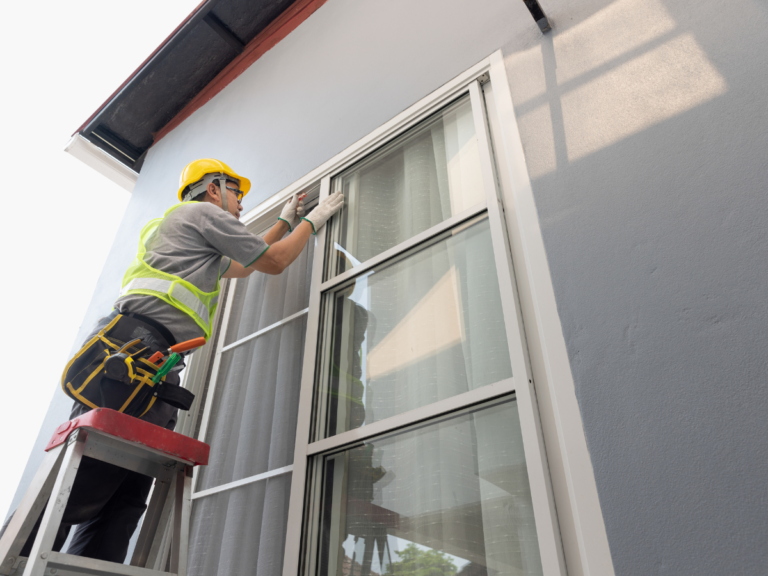
Bringing an existing basement window up to code sometimes means more than swapping the glass and frame. In many cases, you need to enlarge the rough opening, which can involve cutting into the foundation and adding a window well outside.
This is a bigger project than a standard replacement, which is why working with a team experienced in egress window replacement matters. Getting the opening size right the first time avoids costly rework and failed inspections later.
Permits and Local Requirements
Most egress window projects require a permit, especially when you enlarge the rough opening. Local building departments review these projects specifically because they involve life safety, not just aesthetics.
We always recommend confirming permit requirements with your local municipality before work begins, since requirements can vary even between neighboring Pennsylvania communities.
Building code figures like the ones above serve as a general baseline, but your local building department has the final say on what applies to your specific home and location.
Frequently Asked Questions
Does every basement window need to meet egress requirements?
No, only windows serving a basement bedroom must meet full egress code. Other basement windows follow standard requirements.
Can I install an egress window myself?
This project typically involves structural changes and permits, so an experienced contractor familiar with local code should handle it.
How long does egress window replacement usually take?
Timelines vary depending on whether the opening needs to be enlarged, but most projects are completed within a few days.
Do I need a window well for a basement egress window?
Yes, if the window sits below ground level, a properly sized window well is required alongside the window itself.
Will an egress window increase my home’s value?
A legal basement bedroom with proper egress can add usable square footage and appeal to buyers evaluating the home.
Let’s Make Sure Your Basement Is Truly Move-In Ready
A finished basement should feel like a real part of your home, not an afterthought that skipped an important safety step. If you are planning a basement bedroom or want your existing windows checked against current code, reach out to our New Brighton showroom, and we will help you figure out exactly what your home needs for a proper, code-compliant egress window replacement.